
HDB warranties are designed to cover construction-related defects, not wear and tear or issues caused by renovation. They mainly apply to new flats such as BTO units and are time-bound.
For homeowners planning an HDB renovation in Singapore, understanding what warranties cover and where the limits are helps prevent costly misunderstandings later.
Most HDB warranty protection falls into three main categories.
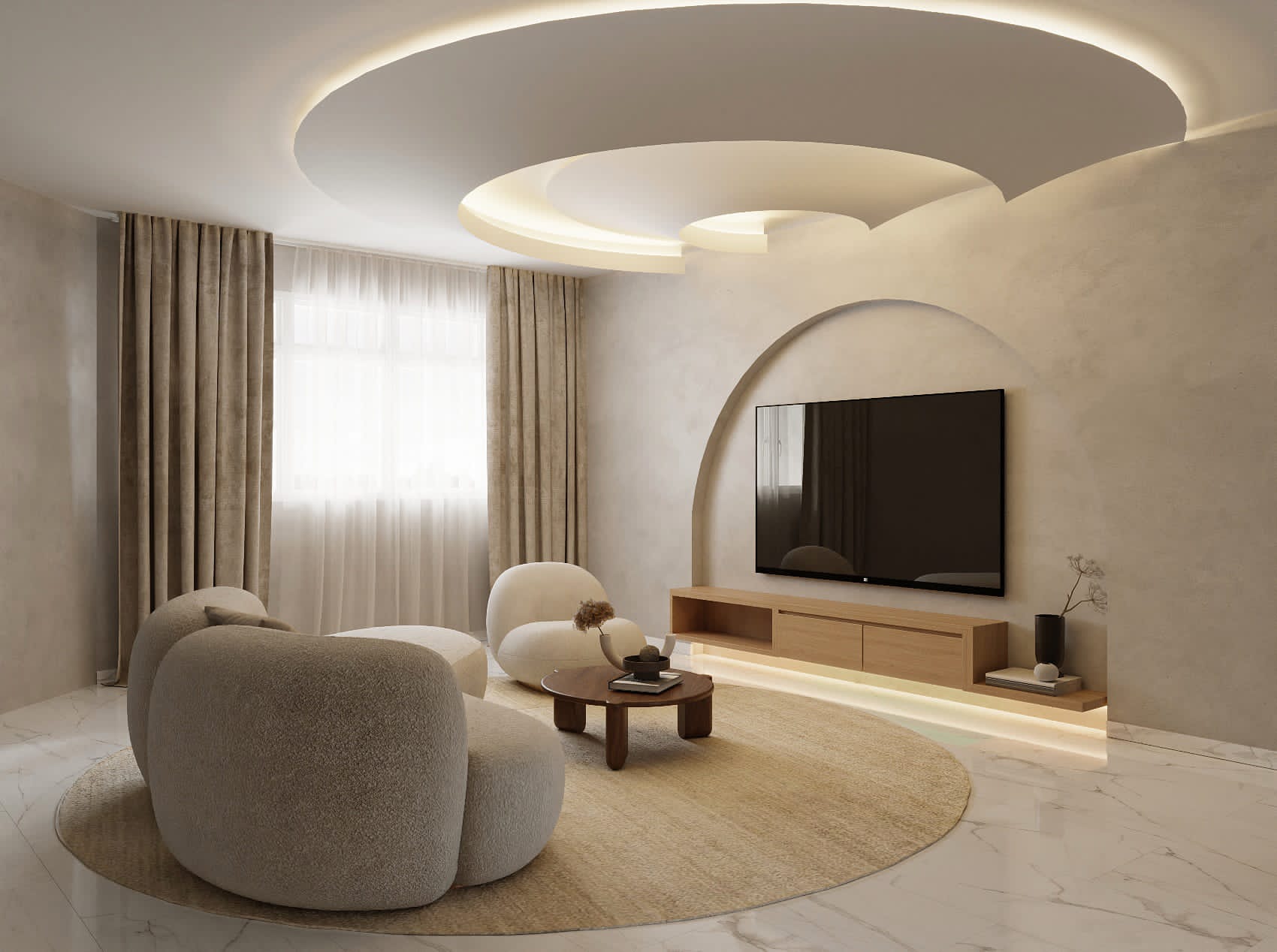
Photo by Reborn Interior
Defects Liability Period (DLP)
The HDB Defects Liability Period lasts 12 months from key collection.
During this period, homeowners can report defects related to workmanship or materials provided by HDB’s appointed contractors. Some issues are not immediately visible and only appear after a few months of living in the flat, which is why the DLP exists.
Common defects covered include:
- Cracks in walls or ceilings not caused by hacking
- Hollow or loose floor tiles
- Misaligned doors and windows
- Water seepage from external walls
Once renovation works begin in these areas, it becomes harder to determine responsibility, which can affect whether claims are accepted.
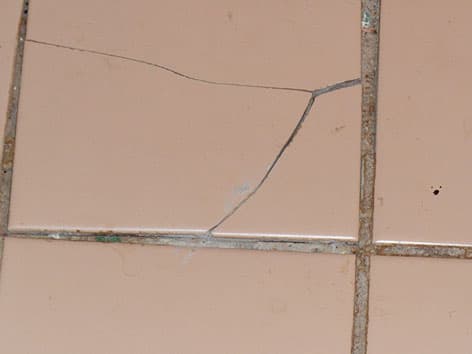
Photo by HDB
Bathroom Waterproofing Warranty
Bathrooms and toilets in new HDB flats typically come with a five-year bathroom waterproofing warranty.
This warranty covers failures in the original waterproofing system beneath the tiles. Waterproofing issues often take time to surface, which is why this coverage extends beyond the DLP.
However, coverage depends on the original system remaining intact.
Actions that commonly affect this warranty include:
- Hacking bathroom floor or wall tiles
- Altering original waterproofing layers
- Reconfiguring bathroom layouts
Even if leaks appear unrelated later on, claims may be rejected once the original waterproofing system has been disturbed.
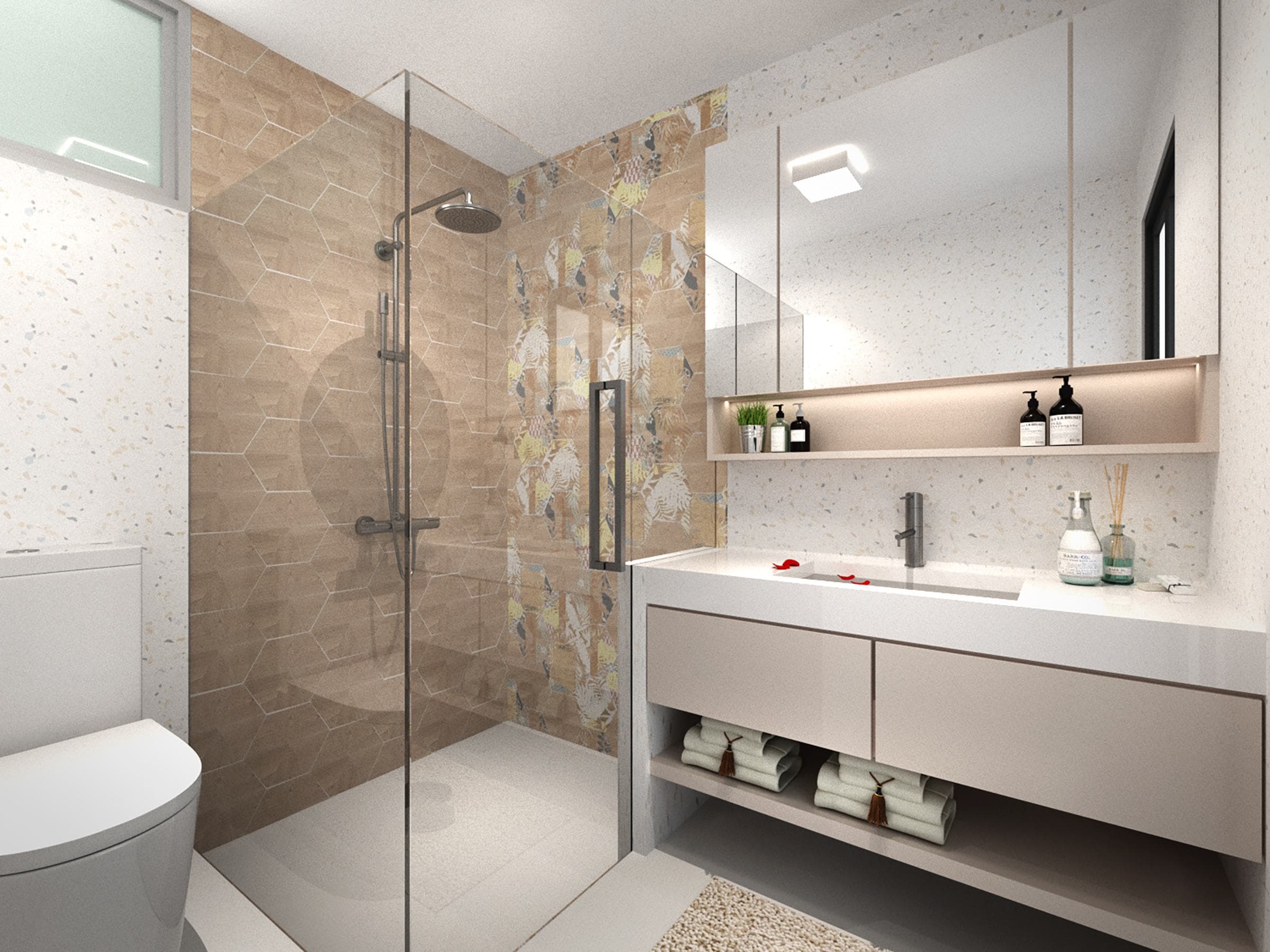
Photo by Vika Design Lab
Structural Component Warranty
Structural elements such as beams, columns, and load-bearing walls are covered under long-term HDB structural warranty protection.
This coverage applies only if these components remain untouched. Any unauthorised hacking, drilling, or modification can void coverage entirely.
For BTO homeowners, structural issues often surface years later. If earlier renovation works affected these components, homeowners may be fully responsible for rectification costs.
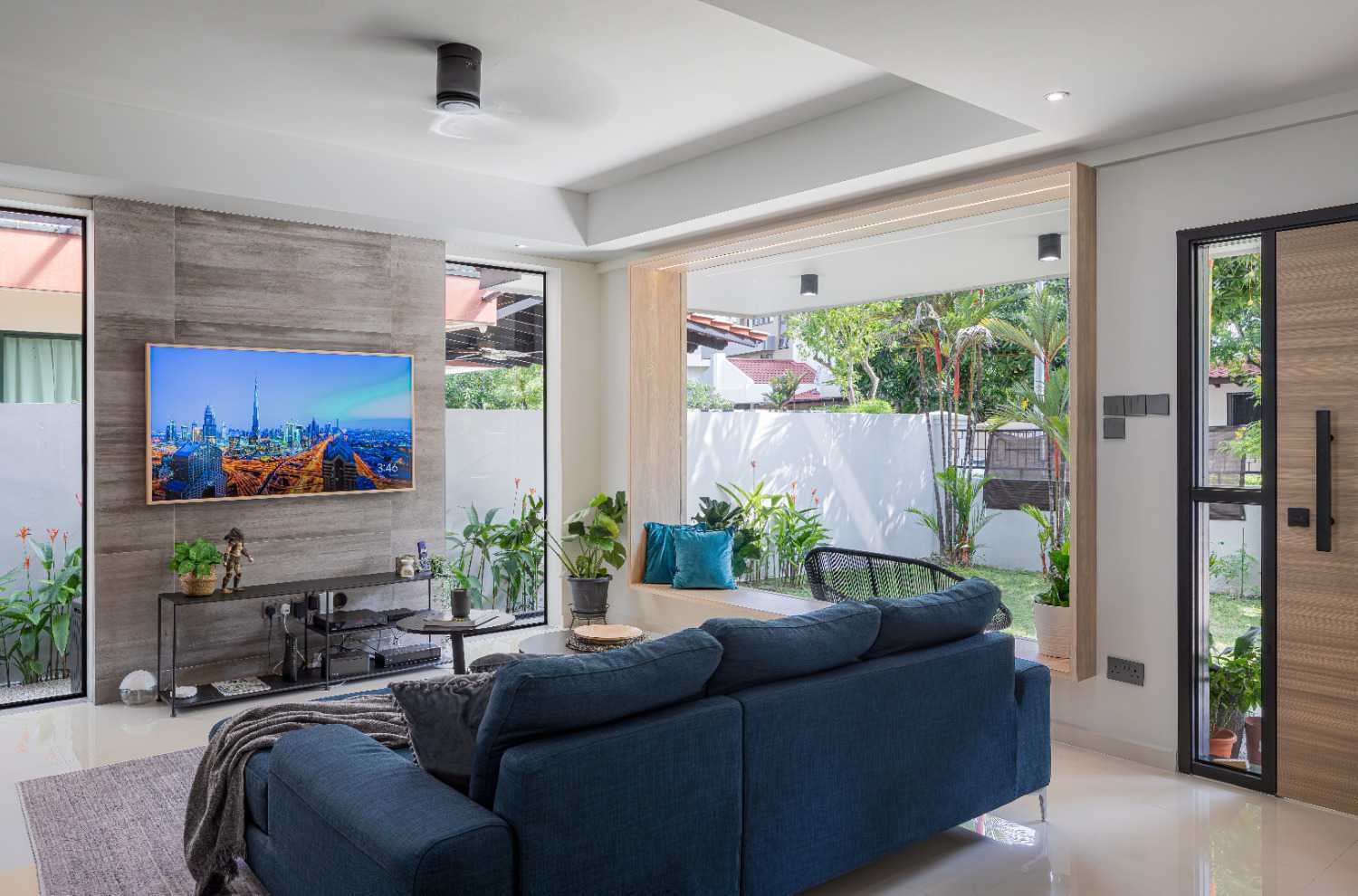
Photo by AP Concept Pte. Ltd
Why Renovation Payments Matter for HDB Warranty Protection
Many HDB renovation disputes in Singapore revolve around responsibility.
When renovation works overlap with original structures and payment records are unclear, it becomes difficult to determine whether defects stem from HDB’s workmanship or renovation activities. This directly affects warranty outcomes.
Using a milestone-based renovation payment approach helps establish accountability. Platforms like HomePay allow homeowners to release payments only after verified work stages are completed, reducing disputes and protecting leverage if issues arise later.
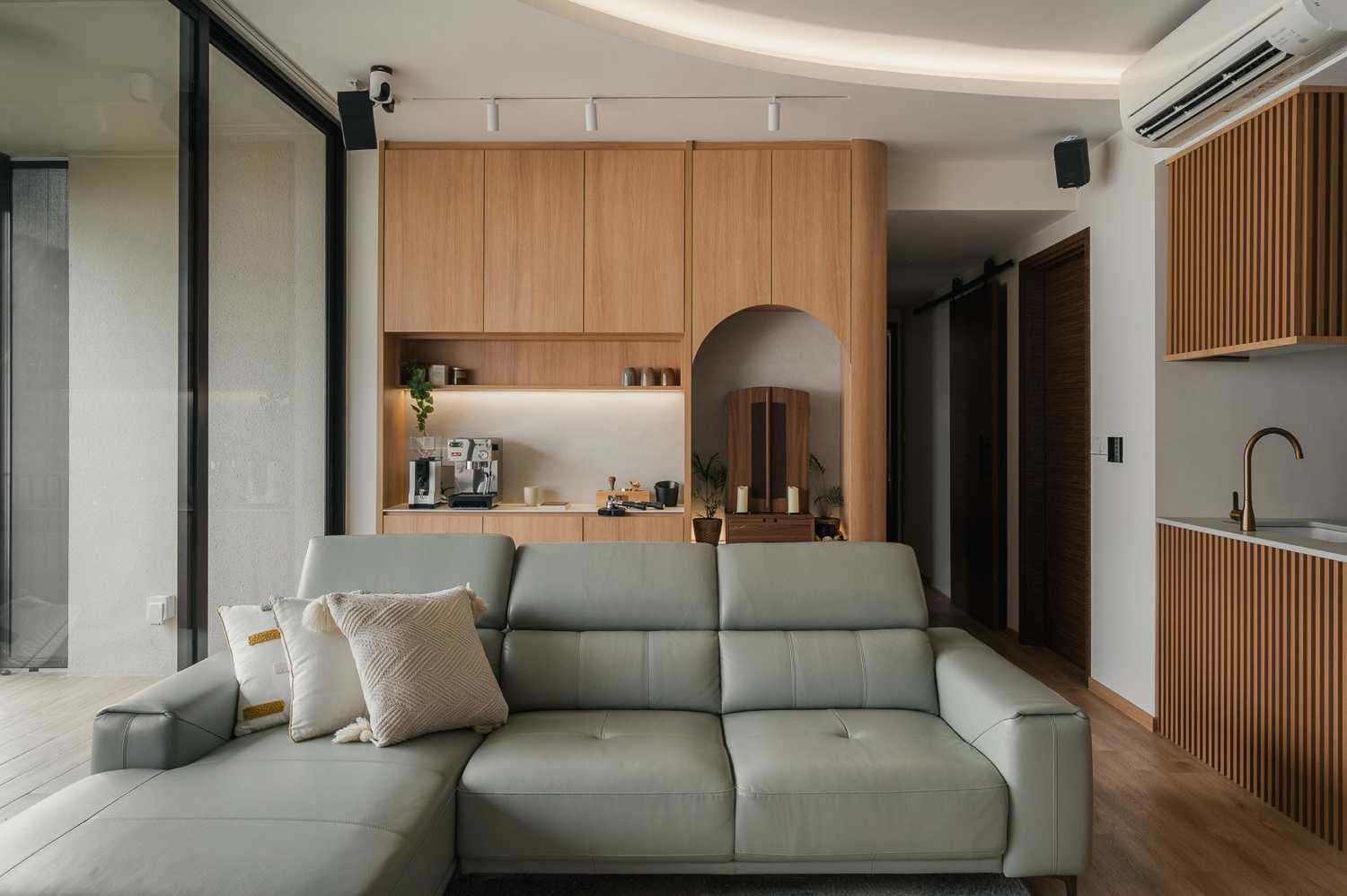
Photo by AART Box
Final Takeaway for BTO Homeowners
HDB warranties provide meaningful protection, but only when renovation decisions are made with awareness.
Many rejected claims stem from small, avoidable actions, such as hacking protected areas too early or releasing renovation payments before work is properly completed. Understanding what HDB warranty covers, how HDB renovation rules apply, and how payments are managed gives homeowners far greater control over long-term outcomes.
For anyone planning a BTO renovation in Singapore, protection comes from combining warranty knowledge, proper documentation, and disciplined renovation payment practices.