

Renovation scams in Singapore are no longer rare or isolated incidents. Over the past few years, renovation contractors and interior designers have consistently ranked among the top sources of consumer complaints, particularly for cases involving large prepayments and incomplete works.
In 2024, renovation-related cases alone accounted for more than S$728,000 in losses, making it the industry with the highest total prepayment losses across all sectors, as reported by Channel NewsAsia. Many of these cases followed the same pattern: homeowners paid upfront, work slowed or stopped, and contractors eventually became uncontactable.
Below are the past renovation scam cases in Singapore, drawn from reported incidents over the past 2 years, and what each case reveals about how homeowners get caught.
1. Carousell Renovation Firm Doubles Quote, Then Disappears
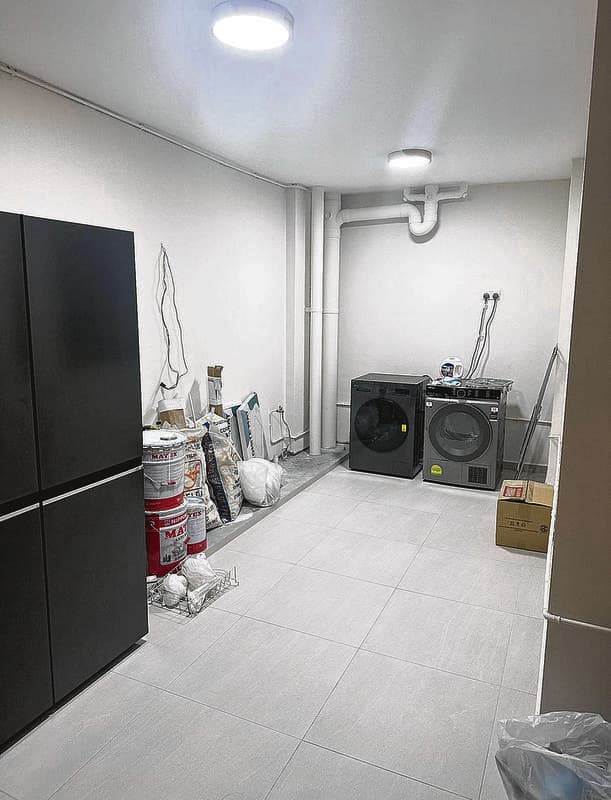
Photo by Mothership
A homeowner engaged a renovation firm found on Carousell after receiving an initial quotation of about S$40,000. Once renovation works began, the firm repeatedly requested additional payments for “unexpected” items such as extra tiles and pest treatment.
These add-ons gradually pushed the total amount paid to more than S$80,000, more than double the original quote. Soon after, work slowed and eventually stopped. The contractor became uncontactable, leaving the flat unfinished.
Why this case matters:
Low initial quotes paired with urgent add-ons are a common way renovation scams escalate without immediate red flags. Once work begins, homeowners often feel pressured to approve extra payments to avoid delays. By the time the true cost becomes clear, a large portion of the budget has already been transferred
2. S$45,000 Paid According to Schedule, But No Work on Site
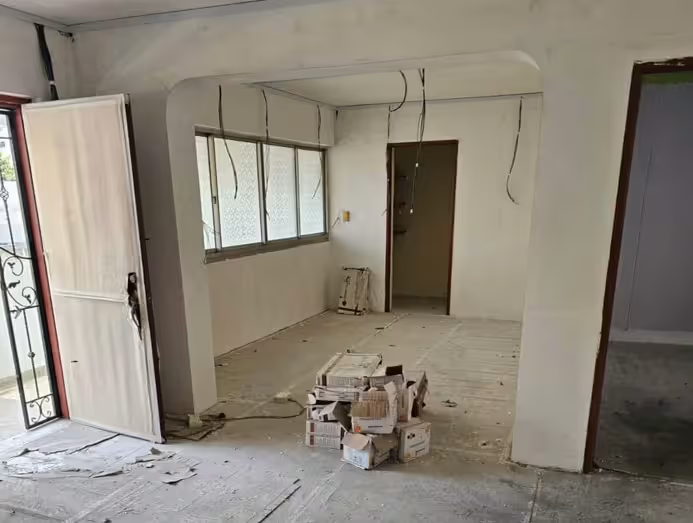
Photo by Wong Noorina May, Channel NewsAsia
In a CNA Ground Up report, a couple renovating their flat transferred payments according to an agreed schedule, eventually paying S$45,000 to their interior designer.
Despite this, site visits revealed that no renovation work was taking place for extended periods. Communication deteriorated over time, and the designer later became uncontactable, leaving the renovation incomplete.
Why this case matters:
Payment schedules alone do not protect homeowners if payments are not tied to verified progress on site. Even when transfers follow an agreed timeline, work can quietly stall if there is no system to confirm completion before money is released. This leaves homeowners exposed despite “doing everything by the book”.
3. Novena Penthouse Renovation, S$152,000 Paid, Minimal Works Done
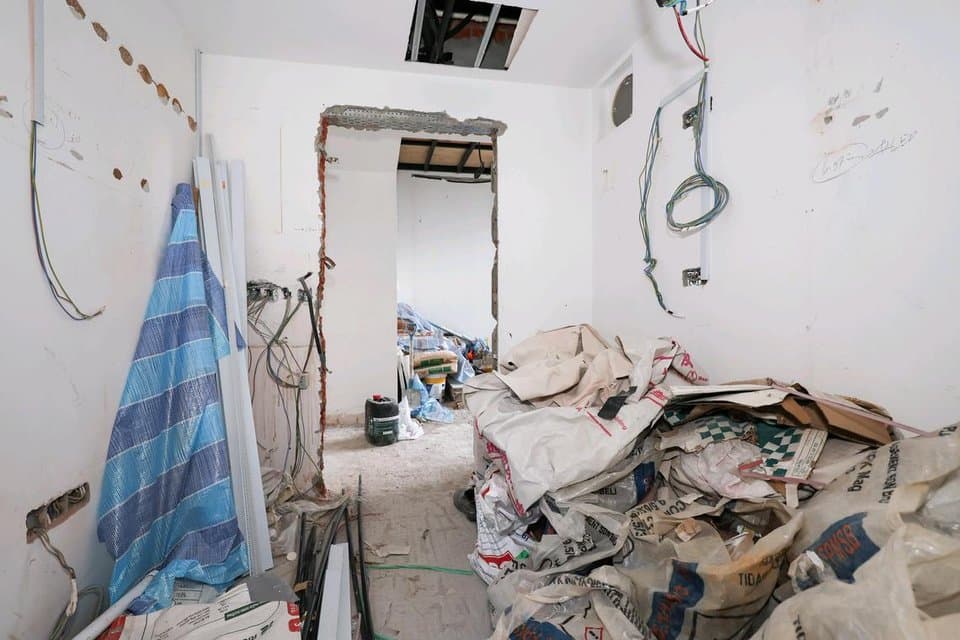
Photo by Brian Teo, The Straits Times
A homeowner engaged a contractor to renovate a Novena penthouse after receiving a quotation of S$252,000. Over the course of the renovation, he paid S$152,000 in deposits.
Despite repeated assurances, only minimal works such as hacking were completed. The contractor later became uncontactable, leaving the unit in disarray with exposed wiring and unfinished areas.
Why this case matters:
High-value renovations do not reduce scam risk. In fact, larger upfront payments often increase the scale of potential losses when projects go wrong. Once substantial sums are paid early, homeowners lose leverage when progress slows or stops.
4. Interior Design Firm Ghosts Homeowners After Delays
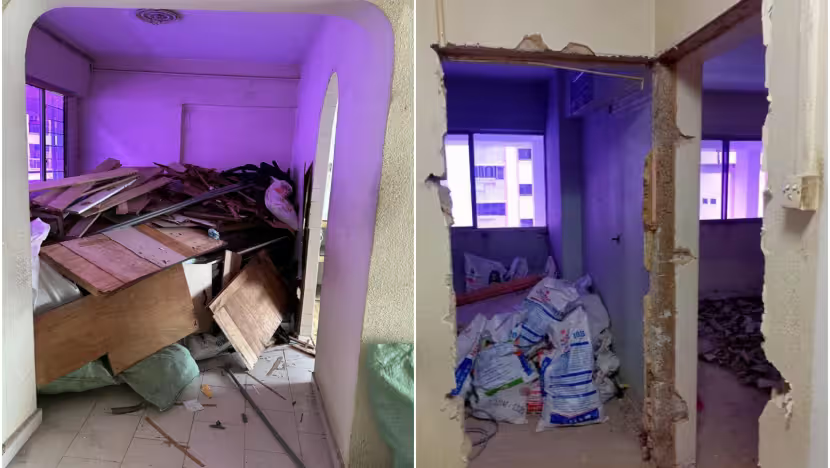
Photo by Douglas Lim, Channel NewsAsia
Mr Calvin Ho and Ms Melissa Tan engaged the interior design firm Formal Informal Practice in October 2022 after months of searching, attracted by its unique designs. Soon after signing, the project ran into issues, including measurement errors and repeated changes in the assigned designer.
Despite multiple handovers and the firm’s director eventually taking over, progress remained slow. By early 2024, the renovation was still unfinished. Attempts to seek help from CASE failed when the firm stopped responding altogether, with messages left unanswered for weeks.
The couple later obtained a court judgment of nearly S$75,000, though repayment was not guaranteed.
Why this case matters:
Even when homeowners check reviews, sign contracts, and pursue legal action, recovering funds can be difficult once payments have already been released. Court judgments confirm liability, but they do not guarantee repayment. This leaves homeowners stuck between an unfinished home and a long recovery process.
5. Police Arrest Man Linked to Over 20 Renovation Scam Cases

Singapore Police arrested a 55-year-old man suspected of involvement in more than 20 renovation scam cases islandwide. Victims reported being approached directly for renovation services before making payments.
After funds were transferred, the suspect became uncontactable. Preliminary investigations estimated total losses of more than S$198,000.
Why this case matters:
Direct solicitation combined with early payments remains a recurring renovation scam pattern. When homeowners are approached proactively, there is often less opportunity to properly verify credentials or compare alternatives. Once payment is made, recourse becomes limited if the contractor disappears.
6. Renovation Business Owner Jailed After Scamming 40 Homeowners

Photo by Kelvin Chng, The Straits Times
A renovation business owner collected payments from customers over more than two years, misappropriating funds meant for labour and materials. In many cases, he carried out partial renovation works to maintain trust before diverting money for personal use.
Subcontractors were left unpaid, causing works to stall. In total, 40 homeowners lost over S$160,000, while restitution amounted to just S$2,900. The offender was sentenced to between 32 and 38 months’ jail.
Why this case matters:
Partial renovation work can create a false sense of security, even as funds are being misused behind the scenes. By the time subcontractors stop turning up, multiple homeowners may already be affected. This pattern shows how scams can unfold gradually rather than through sudden disappearance.
Common Patterns Across Renovation Scam Cases
Across all six cases, the same warning signs appear repeatedly:
- Payments released before work is fully completed
- Add-ons used to justify further transfers
- Subcontractors and suppliers left unpaid
- Contractors becoming uncontactable mid-project
Most renovation scams do not begin dramatically. Problems usually surface after money has already left the homeowner’s control.
Final Takeaway for Homeowners
Renovation scams in Singapore affect homeowners across all budgets and property types. More often than not, the issue isn’t blind trust, but payment structures that allow money to move ahead of actual work completed.
Learning from real renovation scam cases shows that prevention comes down to clearer control over when and how renovation payments are released. Tools like HomePay are designed around this idea, helping homeowners link payments to verified progress so accountability stays in place throughout the renovation.
How HomePay Helps Reduce Renovation Scam Risks
Across many renovation scam cases, the core issue is the same: money leaves the homeowner’s control before work is actually completed.
HomePay addresses this by using an escrow-based renovation payment system. Instead of paying contractors directly upfront, renovation funds are held in a DBS custodian account as a neutral third party. Payments are then released in stages, only when agreed renovation milestones are completed.
.jpg&w=3840&q=75)
App guide on the process of reviewing and approving works
Why Escrow Changes the Risk
In a typical renovation payment flow, money is transferred directly to the contractor. If problems arise, homeowners are left chasing both unfinished work and already-paid funds.
With escrow:
- Funds stay protected until work is verified
- Payments are released progressively, not all at once
- Contractors are incentivised to complete each stage properly
This structure helps prevent situations where most of the renovation budget is paid, but the home remains unfinished.
Keeping Control Throughout the Renovation
Escrow does not remove all renovation risks, but it shifts control back to the homeowner. By tying payments to progress instead of promises, homeowners avoid the pressure to pay early just to keep work moving.
For many homeowners, especially first-timers, this added layer of structure helps keep renovations more transparent and less vulnerable to the common problems seen across renovation scam cases.